Rusty Vintage Papers Vol.20: Textured Backgrounds for Designers
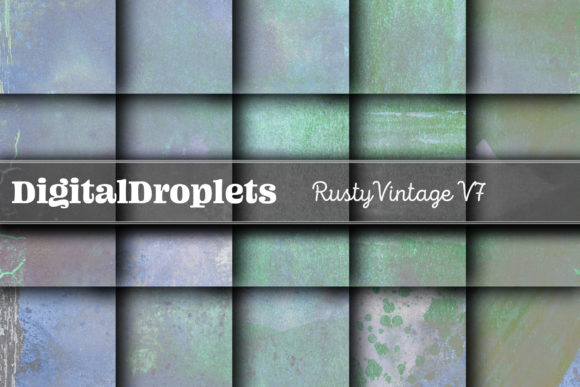
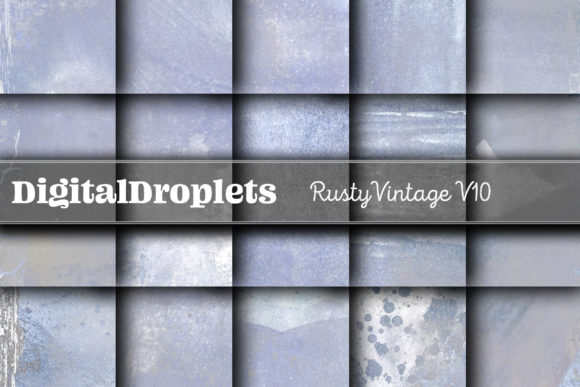
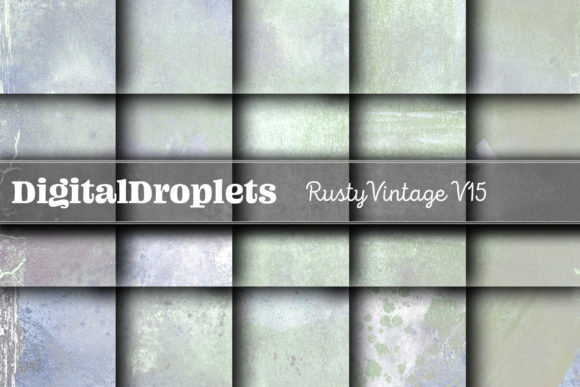
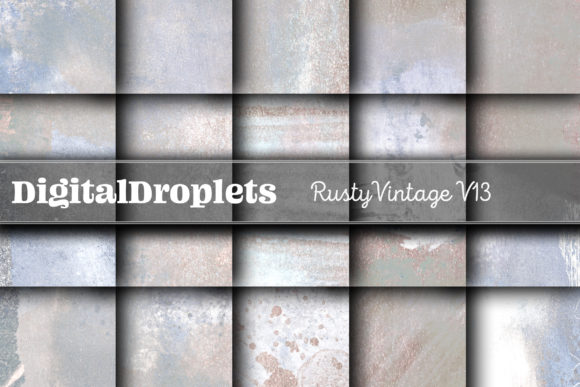
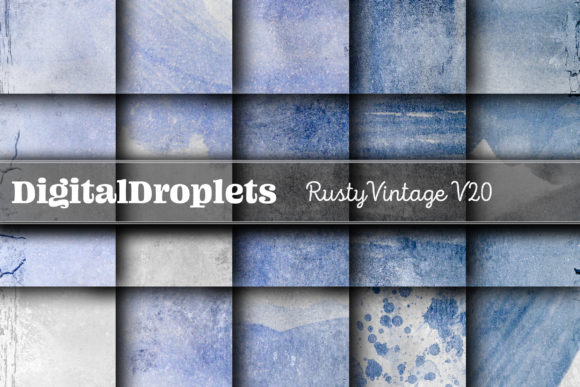
Finding the right background for a digital project often feels like searching for a needle in a haystack. You need something that provides character without overwhelming the content, something that feels authentic rather than digitally manufactured. The Rusty Vintage Papers Vol.20 collection addresses this challenge directly, offering ten distinct 12x12 inch backgrounds that carry the weight of time and texture. Each paper in this set tells its own story through layered brush strokes, aged surfaces, and unique border treatments ranging from subtle wood grain to worn stone effects.
These aren't your typical flat, uniform backgrounds. The collection embraces imperfection in the best way possible. Some papers feature more pronounced grungy textures, while others lean toward a softer, more muted vintage feel. This variety within a cohesive set gives you flexibility to match different project moods while maintaining visual consistency. The borders deserve special attention too, as each one incorporates either wood or stone-like textures that blend naturally into the paper's edge, creating a finished look that works especially well for frames, tags, and standalone elements.
Where These Textured Papers Actually Work
In my experience working with clients across various industries, vintage textures serve multiple purposes. For scrapbookers and junk journal enthusiasts, these papers provide instant atmosphere. They become the foundation for memory pages, allowing photos and ephemera to sit naturally within a context that feels lived-in rather than sterile. The 12x12 inch format at 300dpi ensures print quality remains sharp even when you're working on physical projects like photo albums or handmade cards.
Small business owners and marketers often overlook textured backgrounds, assuming they're only for personal crafts. That's a missed opportunity. Consider using these papers for social media graphics where you want to convey warmth, authenticity, or artisanal quality. A bakery sharing recipe cards, a vintage shop promoting new arrivals, or a consultant building a personal brand with nostalgic appeal could all benefit from backgrounds that feel genuine rather than stock-generated.
The practical applications extend further than you might initially consider:
- Digital Design: Website hero sections, blog post backgrounds, email newsletter headers, and landing page accents
- Print Materials: Business cards, product packaging, menu designs, event invitations, and thank you cards
- Social Media: Instagram story backgrounds, Pinterest pins, Facebook cover images, and quote graphics
- Physical Crafts: Washi tape strips, planner stickers, gift tags, envelope liners, and collage elements
- Editorial Work: Magazine layouts, book covers, zine pages, and photo album spreads
What makes the Rusty Vintage Papers Vol.20 set particularly useful is that the textures don't compete with your primary content. They provide visual interest and depth while remaining in the background where they belong. This balance is harder to achieve than most people realize, and it's what separates professional-looking designs from cluttered ones.
Working With Vintage Textures in Modern Projects
Pairing textured backgrounds with typography requires some thought. Because these papers already carry visual weight through their brush strokes and aging effects, your typeface choices should complement rather than clash. Clean sans-serif fonts often work beautifully against vintage textures, creating contrast that keeps text readable while letting the background add personality. Script fonts can work too, especially for headers or accent text, but you'll want to ensure adequate size and contrast to maintain legibility.
Color considerations matter significantly when working with the Rusty Vintage Papers collection. The warm earth tones and muted palettes typical of these papers naturally harmonize with similar color schemes in your text and graphic elements. Think burnt sienna, deep olive, dusty rose, and warm grays. That said, strategic pops of brighter color can create striking focal points against these subdued backgrounds, particularly for call-to-action buttons or key headlines.
For brand identity work, vintage textures communicate specific values. They suggest craftsmanship, tradition, reliability, and attention to detail. If your client's brand aligns with these qualities, incorporating papers from the Rusty Vintage Papers Vol.20 collection into their visual system makes strategic sense. Use them consistently across touchpoints, and you'll build recognition while reinforcing brand personality through texture alone.
Practical Tips for Getting the Most From This Collection
Before committing these papers to a major project, test them at actual size. What looks charming as a thumbnail might feel too busy or too subtle when viewed full-screen or printed at letter size. The 300dpi resolution gives you flexibility to scale without quality loss, but visual density changes with scale, so always evaluate at your intended output size.
Layer these textures with other design assets thoughtfully. Adding a slight color overlay can shift the mood entirely, transforming a warm paper into something cooler or more contemporary. Reducing opacity lets you dial back intensity when a lighter touch serves your design better. These adjustments extend the utility of just ten papers into dozens of usable variations.
The collection also works well as a starting point for custom texture creation. Use individual papers as blend layers, combine elements from multiple papers within the set, or extract specific texture details like the border treatments for isolated use. This approach multiplies your design options significantly while maintaining the cohesive vintage aesthetic that makes the Rusty Vintage Papers Vol.20 collection valuable in the first place.
Remember that the ten papers included represent a portion of a larger twenty-paper set. If you find yourself consistently reaching for certain textures or styles within this collection, exploring the complete set might better serve your long-term needs. Having additional variations on hand prevents your designs from feeling repetitive across multiple projects, which matters whether you're a crafter building personal pieces or a designer serving multiple clients.