Laced Ink Vintage Vol. 7: A Designer's Toolkit for Timeless Texture
The Distinctive Character of Vintage Cardboard Textures
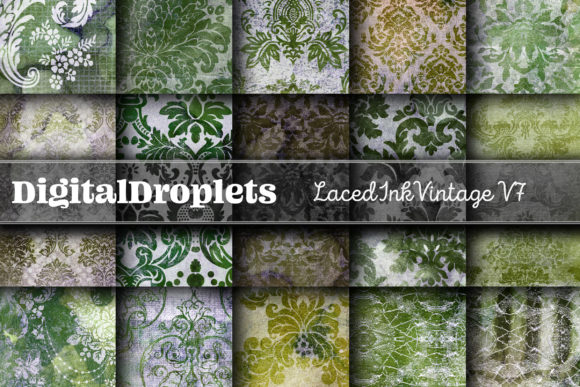
When you open the Laced Ink Vintage Vol. 7 | Collection, you're not just downloading digital papers. You're accessing a carefully crafted visual language that speaks to a specific aesthetic sensibility. This particular set stands apart because of its layered approach to vintage styling. Each of the ten 12x12 papers combines damask or lace patterns with cardboard textures, then adds alcohol ink or watercolor washes for depth. The result feels genuinely tactile—like holding a piece of antique stationery rather than viewing a flat digital file.
What makes this collection particularly useful is the subtle border treatment on each paper. These aren't harsh frames or obvious design elements. Instead, they provide just enough visual grounding to make compositions feel finished without competing for attention. The borders work as natural edges for journaling spots, photo mats, or design elements that need a defined boundary. This thoughtful detail shows the difference between mass-produced digital backgrounds and curated design assets created with actual use cases in mind.
Real Applications for Designers and Creators
The practical value of Laced Ink Vintage Vol. 7 becomes clear when you consider how versatile these papers actually are. For scrapbook designers working on heritage albums or family history projects, these textures provide instant atmosphere without requiring extensive Photoshop work. The cardboard base gives each paper a grounded, authentic quality that synthetic textures often lack. When you layer photos, journaling cards, and ephemera on top, the effect feels cohesive rather than artificially constructed.
Small business owners in the handmade market find these papers particularly valuable for product photography backdrops. The subtle patterns add visual interest without overwhelming the items being photographed. Wedding stationery designers use them as bases for invitation suites, especially for rustic or vintage-themed events. The lace overlays add romance while the cardboard texture keeps things from feeling too precious or formal.
- Scrapbooking and photo albums with heritage or vintage themes
- Junk journal pages that need authentic-looking backgrounds
- Card making for birthdays, thank-you notes, and special occasions
- Washi tape strips and decorative elements for planner systems
- Digital collage work requiring layered, textured foundations
- Blog graphics and social media posts with a vintage aesthetic
- Product packaging for artisan goods and boutique items
- Wall art prints and home decor projects
Working with the Collection's Visual Personality
Each paper in the Laced Ink Vintage Vol. 7 set carries its own mood while maintaining family resemblance. The alcohol ink variations tend toward warmer, more saturated tones that work well for autumn projects or cozy indoor scenes. The watercolor options lean softer and more ethereal, making them suitable for spring themes or delicate feminine designs. Understanding these subtle differences helps you select the right paper for specific projects rather than treating all ten as interchangeable backgrounds.
When incorporating these papers into client work or personal projects, consider how they interact with typography. The damask and lace patterns have enough visual complexity that clean, simple typefaces often pair best. A modern sans serif font can create interesting contrast against the vintage textures, while a classic serif font reinforces the traditional feel. Script fonts work beautifully for headlines and accent text, but body copy needs the clarity that simpler typefaces provide.
Practical Considerations for Your Projects
The 300dpi resolution at 12x12 inches gives you flexibility for both digital and print applications. At full resolution, these papers reproduce beautifully on quality cardstock for handmade projects. For digital use, the high resolution means you can crop into specific areas without losing detail—useful when you want to isolate a particular texture pattern or border element for smaller design components.
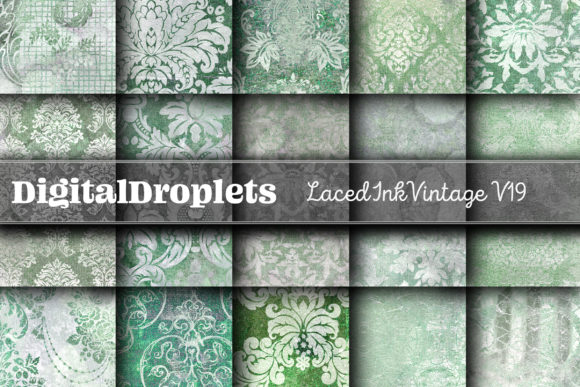
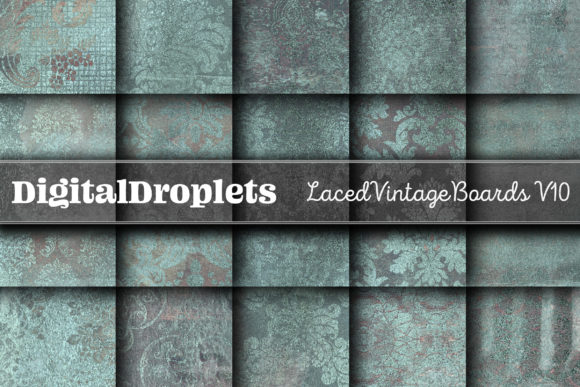
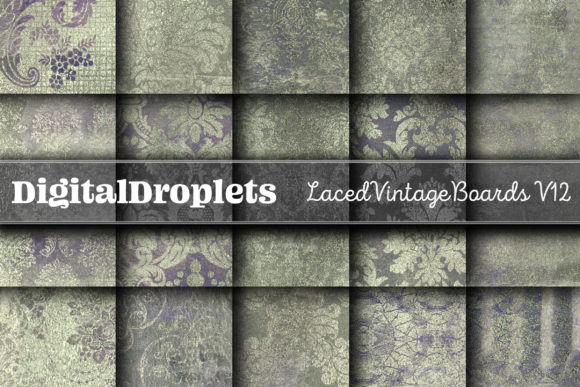
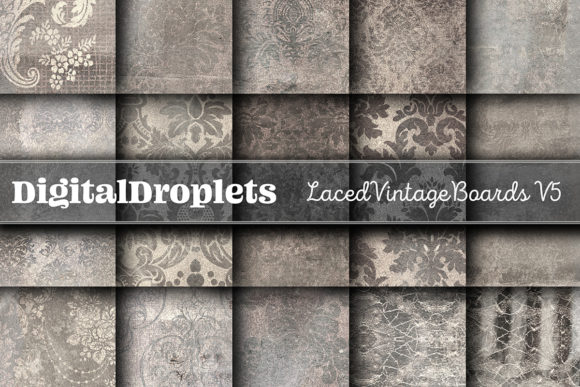
Keep in mind that the listing images represent a sampling from the complete 20-paper collection. The ten papers you receive offer excellent variety, but if you find yourself consistently drawn to specific color palettes or pattern combinations, exploring the other variations available might expand your options further. Many designers build collections of coordinating papers over time, mixing and matching sets to create broader palettes for larger projects or client work that requires consistency across multiple pieces.
Building Cohesive Design Systems
The real strength of a collection like Laced Ink Vintage Vol. 7 lies in its ability to anchor a visual identity. When you're developing brand materials for a vintage-inspired business, maintaining texture consistency across touchpoints matters enormously. Using the same paper family for business cards, social media graphics, product tags, and website backgrounds creates recognition and professionalism. Customers begin associating those visual qualities with your brand, which builds trust and memorability over time.
For content creators and bloggers, these papers serve as reliable go-to assets that maintain visual consistency across posts and platforms. Instead of hunting for new backgrounds each time you create content, having a cohesive collection ready streamlines your workflow. The vintage aesthetic works particularly well for lifestyle blogs, recipe sites, travel journals, and any content that benefits from warmth and character.
Design Observations and Recommendations
After working with various vintage texture collections, I've noticed that the most successful designs use these papers as foundations rather than focal points. The Laced Ink Vintage Vol. 7 papers excel in supporting roles—providing atmosphere and context while letting your primary content take center stage. Layer them at reduced opacity for subtle texture, or use them at full strength when the background needs to be a deliberate design element.
Experiment with color adjustments to match specific project palettes. A simple hue shift or saturation tweak can transform a warm cardboard texture into something that coordinates with cooler brand colors. The underlying patterns remain effective while the overall tone shifts to serve your particular needs. This adaptability extends the practical lifespan of any paper collection considerably.
For those new to working with textured backgrounds, start simple. Use one paper as a full background, add your primary content element, and include just one or two supporting design pieces. As you become comfortable with how textures interact with other elements, you can build more complex compositions. The Laced Ink Vintage Vol. 7 | Collection provides an excellent starting point for developing these skills while producing professional results from the beginning.