Laced Ink Vintage Vol. 32: Layered Textures for Authentic Projects
If you have ever tried to build a digital project with a genuine vintage soul, you know how difficult it is to replicate the depth of physical paper. Most digital backgrounds look flat, lacking the grit and grain of aged cardboard or the unpredictable bleed of ink. This is where the Laced Ink Vintage Vol. 32 collection steps in. It is not just a set of patterns; it is a carefully curated suite of textures designed to bridge the gap between digital convenience and the tactile feel of hand-crafted art. For designers, marketers, and hobbyists, these assets offer a way to add immediate history and warmth to any layout.
The Anatomy of the Aesthetic
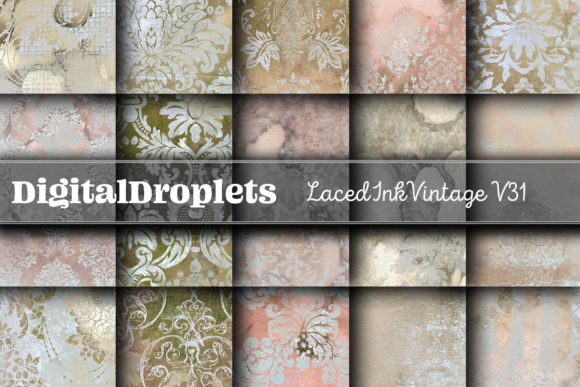
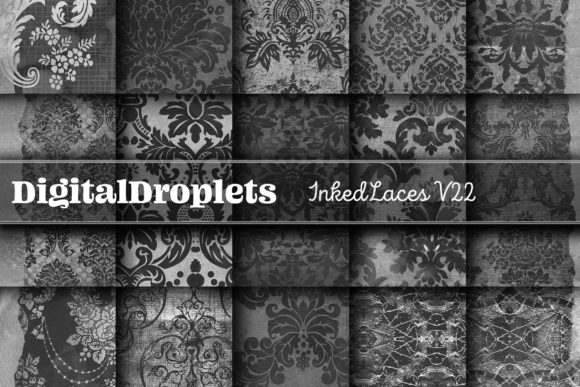
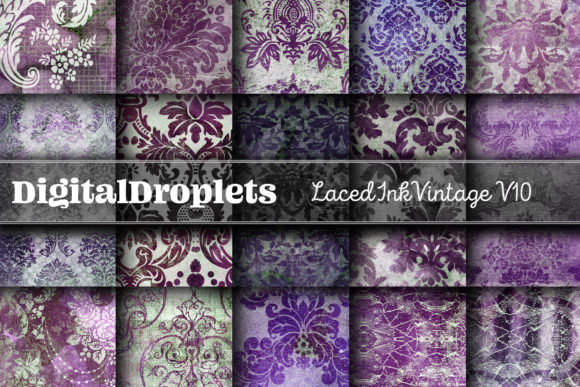
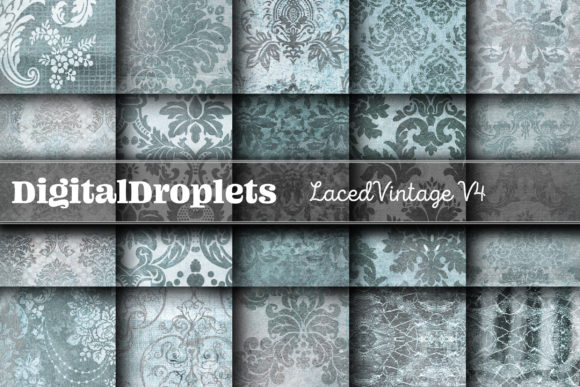
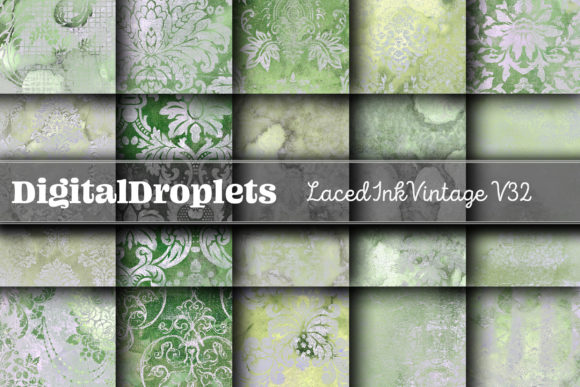
What makes this specific collection stand out in a crowded market of design assets? It comes down to the layering. The Laced Ink Vintage Vol. 32 | Collection is built on a foundation of cardboard textures. This provides a neutral, earthy base that feels organic and grounded. On top of this, you have intricate damask and lace overlays. These aren't sterile, vector-based patterns; they are designed to look like they have been pressed into the fibers of the paper itself.
The third layer is perhaps the most dynamic: alcohol ink and watercolor textures. These elements introduce a subtle fluidity and color variance that static backgrounds often lack. The blending creates a sense of age and wear, making the papers look like they were discovered in an attic rather than generated in a software suite. Furthermore, each of the ten papers includes a subtle, unique border. This is a practical detail that often gets overlooked in modern typography and background design, but it is invaluable for creating framing effects or defining the edges of a scrapbook page without needing extra elements.
Practical Applications: From Junk Journals to Brand Strategy
While the name suggests a specific use case, the versatility of the Laced Ink Vintage Vol. 32 set extends far beyond traditional scrapbooking. For the modern content creator or entrepreneur, understanding how to repurpose design assets is a key skill.
Consider the world of brand identity and packaging design. If you are launching a product that emphasizes artisanal quality—such as handmade soaps, small-batch coffee, or bespoke stationery—these textures serve as excellent backgrounds for product labels or digital storefront banners. They communicate a sense of tradition and care that aligns with "slow living" marketing trends. When paired with a clean sans serif font for body text or a script font for headlines, these backgrounds create a high-contrast visual hierarchy that is both elegant and readable.
For those in the publishing sphere, specifically junk journals and editorial design, these papers offer a solution to the "blank page" problem. They provide enough visual interest to be a backdrop, but enough texture to add grit without overwhelming the content. You can use them for:
- Digital Invitations: Perfect for vintage-themed weddings or milestone birthdays.
- Social Media Graphics: Use them as backgrounds for quote cards on Instagram or Pinterest to increase engagement.
- Photography Backdrops: Overlay them digitally behind product shots to add context and atmosphere.
- Planner Stickers and Washi Tape: Cut strips and shapes to create functional yet beautiful planning accessories.
Design Integration and File Quality
One of the most common pitfalls with vintage digital papers is resolution. A texture might look good on a screen, but print it out, and it turns into a pixelated mess. The Laced Ink Vintage Vol. 32 addresses this with 300dpi high-resolution JPEG files in a 12x12 inch format. This is the industry standard for high-quality print work, ensuring that whether you are printing a full-page background or cutting out small shapes, the integrity of the image remains intact.
When integrating these into your workflow, think about color theory and font pairing. The collection features a mix of textures that can support various color palettes. Because the base is cardboard and the overlays are lace/ink, they tend to work best with earth tones, sepia, muted pastels, or deep jewel tones. Avoid pairing these with overly futuristic or neon display fonts, as the clash in styles can confuse the viewer. Instead, opt for serif fonts or handwritten fonts that echo the organic nature of the ink and lace.
Evaluating the Commercial License and Value
For the professional designer or small business owner, the practical value of an asset lies in its utility and licensing. The Laced Ink Vintage Vol. 32 | Collection is designed to be a workhorse in your digital library. It is part of a larger series, which means you can expand your library with variations if you need a cohesive but varied look across a large campaign.
When evaluating fit for a client project, consider the "personality" of the brand. This collection speaks to nostalgia, elegance, and craftsmanship. It is ideal for clients in the wedding industry, vintage retail, heritage brands, or lifestyle blogs focusing on DIY and crafting. By using these assets, you are not just adding a background; you are adding a layer of storytelling. The subtle lace patterns suggest delicacy, while the cardboard texture suggests durability. It is a sophisticated visual language that helps in building a recognizable brand identity.
Final Thoughts on Workflow
Ultimately, the goal of any design asset is to save you time while elevating the quality of your output. Instead of spending hours trying to photograph actual cardboard and scan lace to create a texture, you have a ready-made foundation. The Laced Ink Vintage Vol. 32 allows you to move straight to the creative phase—arranging layouts, testing font pairings, and refining your message. Whether you are a crafter making a personal photo album or a marketer designing a campaign for a heritage brand, these papers provide a reliable, high-quality canvas that adapts to your vision. Check the shop for variations and freebies to see how these textures can transform your next project from flat to fascinating.