Gilded Cardboards Vol. 3: The Textured Foundation for Authentic Design
More Than a Background: Understanding the Visual Personality
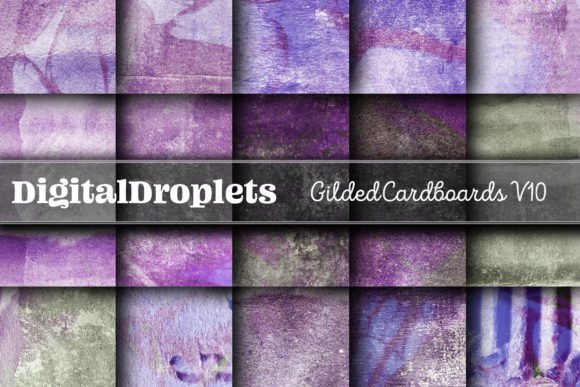
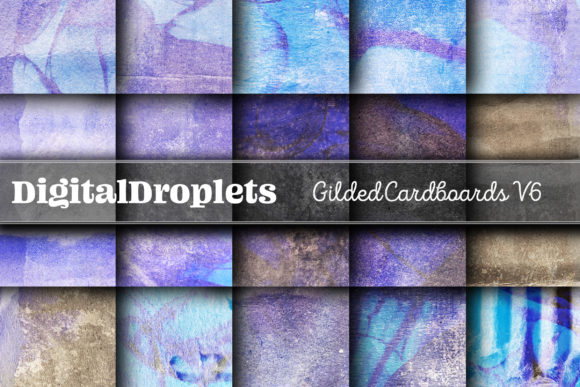
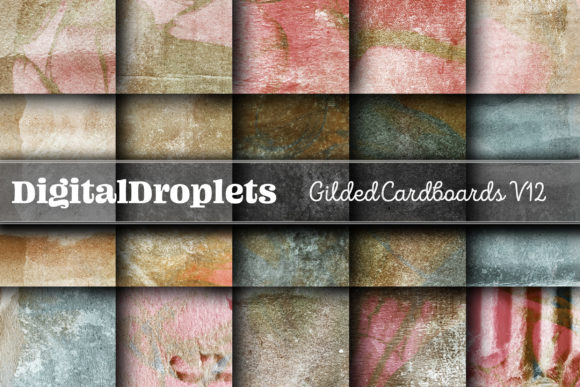
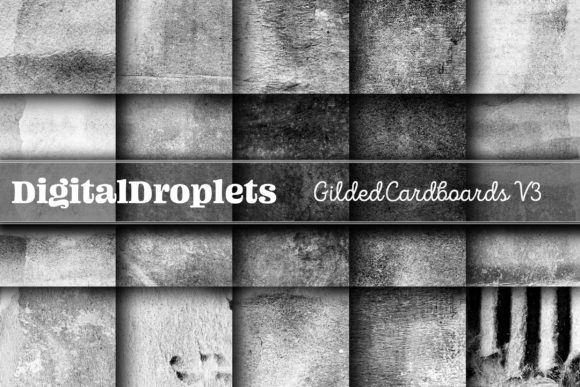
When you’re building a project from the ground up, the foundation sets the tone for everything that follows. In the world of digital and print design, that foundation is often the background. A plain, solid color can work, but it rarely tells a story. That’s where a resource like the Gilded Cardboards Vol. 3 | Collection comes into play. This isn't just a set of generic textures; it's a curated collection of 10 unique, high-resolution backgrounds that blend the raw, honest feel of cardboard with shabby, grungy overlays. Each 12x12, 300dpi paper in this set has its own distinct border, giving you a ready-made frame or a textured edge that feels intentionally worn and authentic.
The visual character of this collection is grounded in realism and history. It evokes the feeling of an old shipping crate, a well-loved journal, or a workshop table layered with years of creative use. The "gilded" aspect isn't about shiny, flashy gold; it's subtler. It suggests the warm, natural tones of aged cardboard—ochres, tans, and soft browns—highlighted by the gritty texture that catches the light. This creates a sense of depth and tactile realism that flat digital colors simply cannot achieve. It’s a style that speaks to vintage aesthetics, rustic charm, and a love for imperfect, handmade beauty.
Practical Applications: Where Texture Builds Character
The true value of a design asset is measured by its versatility. The Gilded Cardboards Vol. 3 | Collection is built for creators who need a reliable, atmospheric starting point. For scrapbookers and junk journal enthusiasts, these papers are a dream. They provide an instant, cohesive backdrop for photos, ephemera, and handwritten notes, eliminating the blank-page paralysis. The built-in borders are perfect for creating photo frames or highlighting a special memory without additional cutting or masking.
Beyond traditional paper crafts, the applications extend into professional and commercial realms. Consider these practical uses:
- Branding & Packaging: Small businesses, especially those with artisanal, organic, or vintage branding, can use these textures as backgrounds for product labels, hang tags, or website hero sections. They communicate craftsmanship and a hands-on approach.
- Marketing & Social Media: Create scroll-stopping social media graphics. The texture adds visual interest to quotes, announcements, or promotional posts. It works exceptionally well as a background for text overlays, ensuring your message is both legible and aesthetically rich.
- Digital & Print Publishing: For bloggers, newsletter designers, or self-publishers, these papers can style section dividers, chapter title pages, or download button backgrounds. In print, they’re ideal for creating unique greeting cards, invitations, or even custom gift wrap that feels substantial.
- Creative Projects: The possibilities are endless. Use them as photography backdrops for flat lays, as layers in digital collages, as textured fills for shapes and text in logo design, or as the base for planner stickers and washi tape designs.
The key is to use the Gilded Cardboards Vol. 3 not as an afterthought, but as a core design element that informs your other choices. Pair it with a clean, modern sans-serif font for a striking contrast, or lean into the vintage feel with a classic serif or a flowing script. The texture sets a mood; your typography and imagery complete the narrative.
Working With Textured Assets: A Designer's Perspective
Incorporating textured backgrounds effectively requires a bit of strategic thinking. First, consider readability. The strength of the Gilded Cardboards Vol. 3 is its detail, but that means you need to create visual hierarchy. Placing text directly on a highly detailed area can be challenging. Use the provided borders or less busy areas of the paper as text boxes. Alternatively, apply a subtle, semi-transparent color overlay (a soft cream or grey) to a section of the texture to create a calmer zone for your body copy. This maintains the textural feel while ensuring your message is clear.
Second, think about cohesion. If you’re building a brand identity or a multi-page document, using one or two papers from the set consistently can create a recognizable look. The Gilded Cardboards Vol. 3 | Collection is part of a larger 20-paper series, so if you need more variety while staying within the same aesthetic family, you have options. This allows for scalability in your projects without losing the core visual thread.
Finally, always test your pairings. The personality of these cardboard textures is strong. They pair well with design elements that either complement their rusticity (like wood-grain fonts or hand-drawn illustrations) or provide a clean, contemporary counterpoint (like geometric shapes or minimalist typography). The goal is balance—let the texture provide the soul of the project while other elements deliver the information clearly.
In a digital landscape saturated with slick, impersonal graphics, resources like the Gilded Cardboards Vol. 3 offer a return to the tangible and the authentic. They provide a practical foundation for countless projects, helping designers, crafters, and entrepreneurs create work that feels genuine, layered, and visually compelling.