Authenticity in Design: The Vintage Style Papers Vol. 6 | Collection
In a digital landscape saturated with pristine vectors and algorithm-perfect gradients, there is a growing hunger for materials that feel touched by human hands. We see it in the resurgence of junk journaling, the tactile appeal of packaging design, and the shift in brand identity toward "imperfect" aesthetics. When you are building a visual narrative—whether for a client’s logo design, a personal scrapbook, or social media graphics—the background is not just empty space; it is the setting for your story. This is where the Vintage Style Papers Vol. 6 | Collection steps in, offering a set of textures that bridge the gap between digital convenience and the irreplaceable charm of aged, physical media.
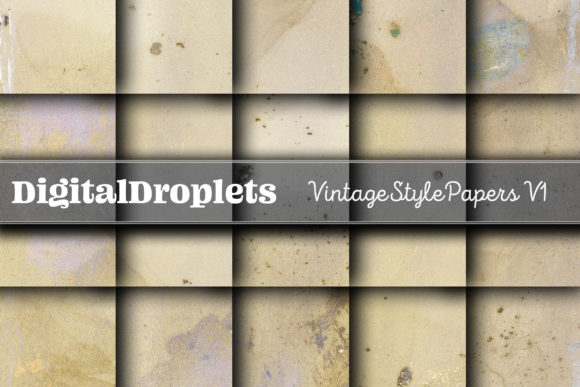
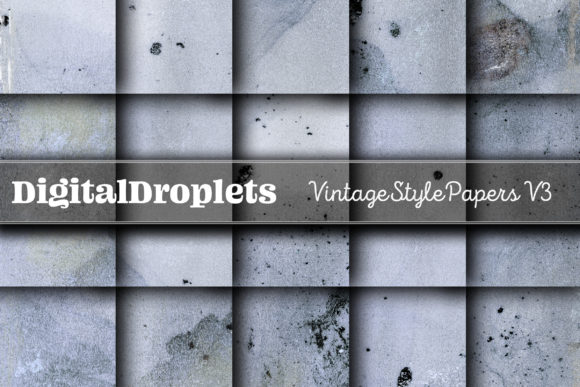
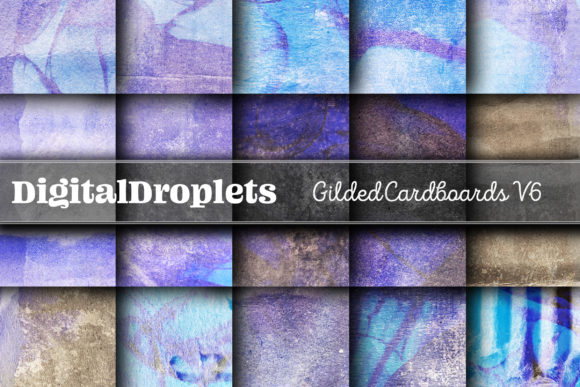
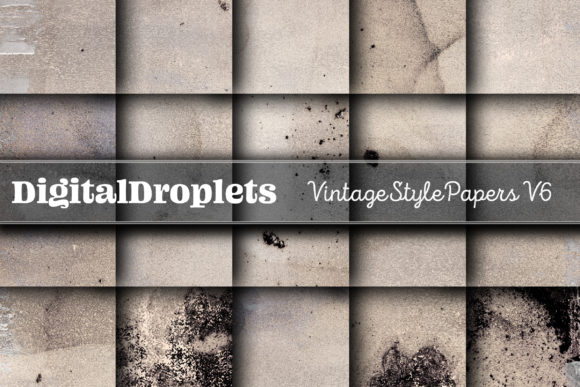
This isn't just another set of digital paper. The Vintage Style Papers Vol. 6 | Collection is a carefully curated assembly of ten distinct backgrounds, designed to evoke a sense of history and depth. The defining characteristic of this set is the sophisticated blend of swirly watercolor textures that dissolve into grungy paper backgrounds. It captures that specific, sought-after look where delicate artistic strokes meet the rough, unyielding texture of time-worn parchment. Each of the ten papers possesses its own personality, marked by unique "grungy imperfections" and scattered artifacts that prevent the design from looking flat or repetitive. Some sheets even feature a hinted border, offering a natural frame for typography or focal imagery without the need for heavy-handed outlines.
The Anatomy of the Texture: Understanding the Visual Style
As a designer or content creator, you know that texture adds weight. A flat, solid color often reads as "default" or "placeholder," whereas a textured background suggests substance and quality. The Vintage Style Papers Vol. 6 | Collection excels in providing this visual weight through a combination of premium font (in terms of asset quality) aesthetics and raw, organic grunge.
The "swirly watercolor" element introduces movement. Unlike static noise or simple grain, watercolor bleeds suggest fluidity and artistry. This makes the collection particularly effective for projects that require a soft, romantic, or ethereal vibe, such as wedding invitations or boutique packaging design. However, the "grungy" overlay prevents the softness from becoming saccharine. The scratches, stains, and fiber textures ground the design, making it feel tangible and real. This duality is vital for modern typography pairings; it allows you to overlay clean, sans-serif fonts without the background looking too sterile, or layer complex script fonts without the page becoming visually cluttered.
Because these are high-resolution 12x12 files at 300dpi, the detail is preserved even at close inspection. This is crucial for print work. If you are creating a physical product—like a planner sticker, a greeting card, or a scrapbook page—low-resolution assets will pixelate, destroying the illusion of reality. The Vintage Style Papers Vol. 6 | Collection is built to withstand professional printing standards, ensuring that the "imperfections" look like intentional design choices rather than digital artifacts.
Strategic Applications: Beyond Scrapbooking
While the product description naturally highlights scrapbooking and junk journals, the utility of the Vintage Style Papers Vol. 6 | Collection extends far into commercial and digital realms. Understanding how to leverage these textures can significantly elevate your brand identity and editorial design.
1. Brand Identity and Packaging
For small business owners in the artisan, coffee, apothecary, or boutique clothing sectors, texture is a shorthand for quality. Using these papers as backgrounds for product labels or hang tags can instantly communicate a hand-crafted ethos. Imagine a soap label printed on one of these watercolor textures; it immediately differentiates the product from mass-produced competitors. You can use the hinted borders found on some of the papers to frame nutritional information or product names, creating a cohesive packaging design system.
2. Digital Marketing and Web Design
In web design, heavy textures can sometimes slow down load times or distract from content. However, the Vintage Style Papers Vol. 6 | Collection works beautifully when used strategically—perhaps as a hero image background, a newsletter header, or a sidebar element. For social media graphics, these textures provide a rich canvas that helps text stand out (when contrasted correctly) and stops the scroll. A quote card set against a grungy watercolor background feels more "authentic" and shareable than a generic colored block.
3. Editorial and Publishing
If you are working on a magazine layout, a book cover, or a blog design, these papers can serve as chapter dividers or page backgrounds. For photography backdrops, they offer a digital solution to physical studio limitations. You can composite portraits or product shots onto these textures to create a vintage editorial look without needing to build physical sets.
Design Mechanics: Pairing and Hierarchy
One of the most common mistakes with textured backgrounds is failing to manage visual hierarchy. When you place text over a "busy" background like those in the Vintage Style Papers Vol. 6 | Collection, readability can suffer if not handled correctly.
Here is practical guidance on how to handle these assets:
- The Power of Contrast: These papers tend to be mid-tone. Placing mid-tone text on them will result in a muddy look. You need high contrast. Use crisp white text for a fresh, airy feel, or deep charcoal/black for a more grounded, serious tone.
- Font Pairing Strategy: Because the backgrounds have an organic, hand-made quality, they pair exceptionally well with clean, geometric sans serif fonts. The contrast between the rigid geometry of the typeface and the organic flow of the watercolor creates a balanced tension. Conversely, pairing them with a handwritten font or script font works if the script is bold enough to stand out against the grunge. Avoid thin, delicate serifs that might get lost in the texture.
- Using "Knockout" Shapes: Don't be afraid to place a semi-transparent white shape (a rectangle or circle) behind your text. This creates a safe zone for your copy while allowing the beautiful texture of the Vintage Style Papers Vol. 6 | Collection to frame the content. This is a staple technique in editorial design.
Evaluating Fit and Licensing
Before integrating any asset into a professional workflow, it is wise to evaluate the fit. The Vintage Style Papers Vol. 6 | Collection is described as part of a larger 20-paper set. This is actually a significant advantage for designers who need variety but want to maintain a consistent mood. If you purchase this set of 10 and find they resonate with your brand's voice, you have a pathway to expand your library without clashing aesthetics.
When testing these backgrounds, create a "mood board" mockup. Don't just look at the paper in isolation. Place your existing logo design on top of it. Place a sample product photo next to it. Does the texture overpower the product, or does it enhance it? For brand identity work, consistency is key. If you use these textures for your website headers, consider using the same texture (perhaps cropped differently) for your physical business cards to create a tactile connection between your digital and physical presence.
Regarding usage, the description mentions these are great for both personal and commercial items like washi tape, gift wrap, and wall art. This versatility is the hallmark of a good design asset. It means you aren't buying a one-trick pony; you are investing in a material that can be manipulated, recolored, and resized to fit dozens of different projects. Whether you are a crafter making planner stickers for an Etsy shop or a marketer designing an invitation for a corporate gala with a "vintage" theme, the Vintage Style Papers Vol. 6 | Collection provides a solid, professional foundation.
Ultimately, the goal of design is to evoke emotion. The Vintage Style Papers Vol. 6 | Collection evokes nostalgia, warmth, and craftsmanship. By incorporating these textures thoughtfully, you move your work from simply "looking good" to feeling resonant and memorable.